Choose by what you plan to put on the lot, how long you plan to stay, and the agreement you will sign. RV parks may offer nightly, weekly, monthly, or longer arrangements, depending on the property. A mobile home park generally rents lots for homes, which may suit a longer residential plan. Rules vary by state and county, so check yours before you commit.
Introduction
Searching for RV parks and mobile home parks can bring up similar-looking properties, but they do not necessarily offer the same type of space or agreement. An RV site may be rented by the night, week, or month, while a mobile home park typically rents a lot for a home intended for residential use. Some parks offer both.
The right choice depends on the unit you plan to live in, how long you expect to stay, and what the park and local rules allow. Costs can also be hard to compare, because site rent, lot rent, utility charges, ownership expenses, and move-in costs are structured differently.
This guide explains the main differences, the questions to ask before committing, and how to compare the two options using current quotes and written terms. It does not give legal advice, because rules differ from state to state and county to county.
What Is the Difference Between an RV Park and a Mobile Home Park?
An RV park generally rents sites for recreational vehicles, while a mobile home park generally rents spaces for residential homes. The basic difference is straightforward, but the legal details depend on where the park is located.
RV Parks
An RV park rents sites for recreational vehicles. Depending on the park and site, services may include electricity, water, and sewer, so confirm which are provided before booking. Many RV parks rent by the night, week, or month, and some accept long-term guests. Each park sets its own minimum and maximum stay.
Mobile Home Parks
A mobile home park rents lots to residents who place a home there. In many cases the resident owns the home and pays rent for the lot, but not every resident does, and not every park accepts every home. San Luis Obispo County, California, describes its mobile home parks as places used for permanent residency, and its RV parks as places for travel or transitional stays. That is one county’s wording, not a universal definition.
A Note on Names
People use “mobile home” and “manufactured home” in different ways, and the legal meaning of each can vary by place. Before you plan anything, identify the exact type of unit you own or plan to buy. Confirm its age, dimensions, condition, and paperwork, then ask the park whether that specific unit is eligible.
Use the table below as a starting point, then confirm each detail with the park.
| Question | RV park | Mobile home park |
| What goes on the lot? | An RV | A home |
| Typical stay | Nights to months, sometimes longer | Longer, with a lot lease |
| What you pay | A site rate, by night, week, or month | Lot rent, plus the cost of the home |
| Who owns the unit? | You own or rent the RV | You may own the home |
| Typical fit | Travel, seasons, or a trial stay | A longer residential plan |
| Ask first | Minimum stay, utilities, RV limits | Home requirements, lease terms, notice |
What Are You Bringing?
Start with what you will place on the lot. This one question narrows the choice a great deal.
- An RV. An RV park is built for you, with sites, hookups, and rules for RVs. A mobile home park may or may not take an RV, and the next sections explain why.
- A home. If you own a mobile home or plan to bring one, a mobile home park is the type that rents lots for it. An RV park generally is not intended for placing a mobile or manufactured home, so confirm the park’s permitted uses and local requirements.
- Neither yet. If you have not bought anything, an RV park lets you stay without owning a unit.
A park that fits your plan for next month may not fit your plan for next year.
What If Neither Fits Cleanly?
Some people sit between the two. You may own an RV but plan to live in one place for years. You may own a home but need somewhere to stay while it is moved or repaired. In those cases, the park’s written rules matter more than its label.
Ask the park how it treats your situation. Some parks have monthly RV sites that suit a long, settled stay. Others limit how long an RV may stay. Ask for the answer in writing so you are not caught by a limit later.
How Long Are You Staying?
Your stay length changes the kind of agreement you sign.
A few nights to a few months. An RV park fits well. You pay a nightly, weekly, or monthly rate, and you may be able to leave when your plans change, subject to the park’s notice and refund terms.
A season or longer. Many RV parks offer monthly stays, and some accept longer ones. Ask about the minimum stay, how the monthly rate is billed, and whether you can renew.
Years. A mobile home park may suit a longer-term residential plan, provided the unit and your intended use are permitted. Lot rental may come with a longer agreement. Read it carefully, since it can set rules on rent changes, notice, and what happens if you move.
These are general patterns, not rules. Some RV parks welcome long-term guests, and some mobile home parks have their own terms. The park’s written agreement is what counts.
Can You Put an RV in a Mobile Home Park?
Sometimes, but it depends on the park, the county, and the state. Do not assume.
Local law is one limit. In San Luis Obispo County, California, for example, the county says an RV may be allowed in a mobile home park if the owner uses it as a principal residence, and not when it is used for travel or short-term stays. The county also says its zoning ordinance decides where each type of park can be located. That is one county’s rule. Another county or state may be stricter, looser, or different, so use it only to see why local rules matter.
The park’s own rules are the other limit. A park can set its own policies on what may sit on a lot. Some may limit RV age, size, or condition, or they may not accept RVs at all.
Before you plan on this, ask three things.
- Does the park accept RVs on its lots?
- Does my county’s zoning allow living in an RV there?
- Will I sign a lot lease or a site rate agreement?
Call the park and your county planning or zoning office. Ask for the answers in writing.
Moving a Home
Moving a mobile home is a project of its own. It may involve transport, setup on the lot, utility hookups, and any permits or inspections your area requires. Requirements differ from place to place.
Before you arrange transport, get written confirmation that the park approves the specific home, that the lot is suitable for it, and that the access, setup, utility, and inspection arrangements can be completed. Ask who handles each step and what the park expects the home to look like once it is placed. A failed move can cost far more than changing an RV reservation.
How Do Costs Differ?
The costs work differently, so comparing one price to the other can mislead. Look at the structure first.
RV park. You pay a rate for the site, billed by the night, week, or month. Utilities may be included or billed on top. You own or rent the RV separately, with its own payments, insurance, and upkeep.
Mobile home park. You pay rent for the lot. The home is a separate cost, whether you buy it, finance it, or already own it. Moving a home onto a lot, setting it up, and connecting utilities add to the cost of getting started.
Build two estimates for each option. First, calculate the recurring monthly cost. Then list one-time or occasional costs separately. This gives you a clearer view of both the ongoing cost and the money you need before moving in.
| Cost item | RV park | Mobile home park |
| Recurring site or lot rent | ||
| Electricity and other utilities | ||
| RV or home payment, if any | ||
| Insurance | ||
| Routine maintenance | ||
| Recurring fees and services | ||
| One-time transport and setup | ||
| Deposits and other upfront cash | ||
| Expected relocation costs |
Use actual quotes. A person who owns an RV outright may have a low monthly cash outlay, but the RV still has ownership costs, so include the unit in both columns when you want to compare the full cost and not only the cash you pay each month. A lower lot rent can still be offset by home payments, maintenance, setup, or insurance, and an RV site with a higher rate might include utilities that another site bills separately.
This guide does not give price ranges, because rates vary by park, region, and season. Ask each park for its current rate and what it includes. The checklist in Further Reading can help with the RV side.
What Should You Check Before You Sign?
Read the whole agreement before you pay, whether it is a rate confirmation or a lot lease. The type of agreement matters. An RV reservation or site agreement may differ from a mobile home lot lease, and local law can affect the rights and obligations of each party. If you are unsure about a significant commitment, seek advice from a qualified local professional before signing.
Check these points.
- The written terms. Does the document match what you were told?
- The rules. Look at rules on guests, pets, vehicles, noise, and the condition or appearance of your unit.
- Utilities. What is included, and what is billed to you?
- Approval steps. Does the park need to approve your unit or you before you move in?
- Changes and notice. How can rent or rules change, and how much notice do you get?
- Leaving. What do you owe if you leave early, and what happens to your unit?
Clear written terms make it easier to understand your obligations before moving in. For a lot lease, add a few more questions. Who is responsible for the water, sewer, and electric connections on the lot? What does the park expect you to maintain? How does the park handle repairs to shared roads and common areas?
If you plan to bring a home, also get these in writing before you buy or transport it: that the park accepts the specific unit, the required dimensions, age, and appearance standards, the lot’s dimensions and access, and whether any approvals, permits, inspections, or installation work are needed.
How Do You Find RV and Mobile Home Parks Near You?
Start with a search of park websites and maps, then build a short list. Look for parks that say plainly which type of unit they accept, whether RVs, homes, or both. Read each park’s rates page and rules page if it has them.
Then call. Calling each park helps confirm current availability, accepted unit types, and terms. Ask what the current rate or lot rent is, what it includes, and what paperwork you would sign. Listings can be old, and a park that appears under both labels may offer only one. Keep notes for each park so you can compare them on the same terms.
How Do You Decide?
Ask yourself four questions.
- What will I live in? An RV points to an RV park. A home points to a mobile home park.
- How long will I stay? Short and flexible points to an RV park. Long and settled points to a lot.
- Do I want to own the unit? An RV park lets you stay without owning a home. A lot suits you if you own or plan to own one.
- Can I confirm the rules in writing? Whichever you choose, get the terms before you move.
What Does Esquire Estates Offer for Each?
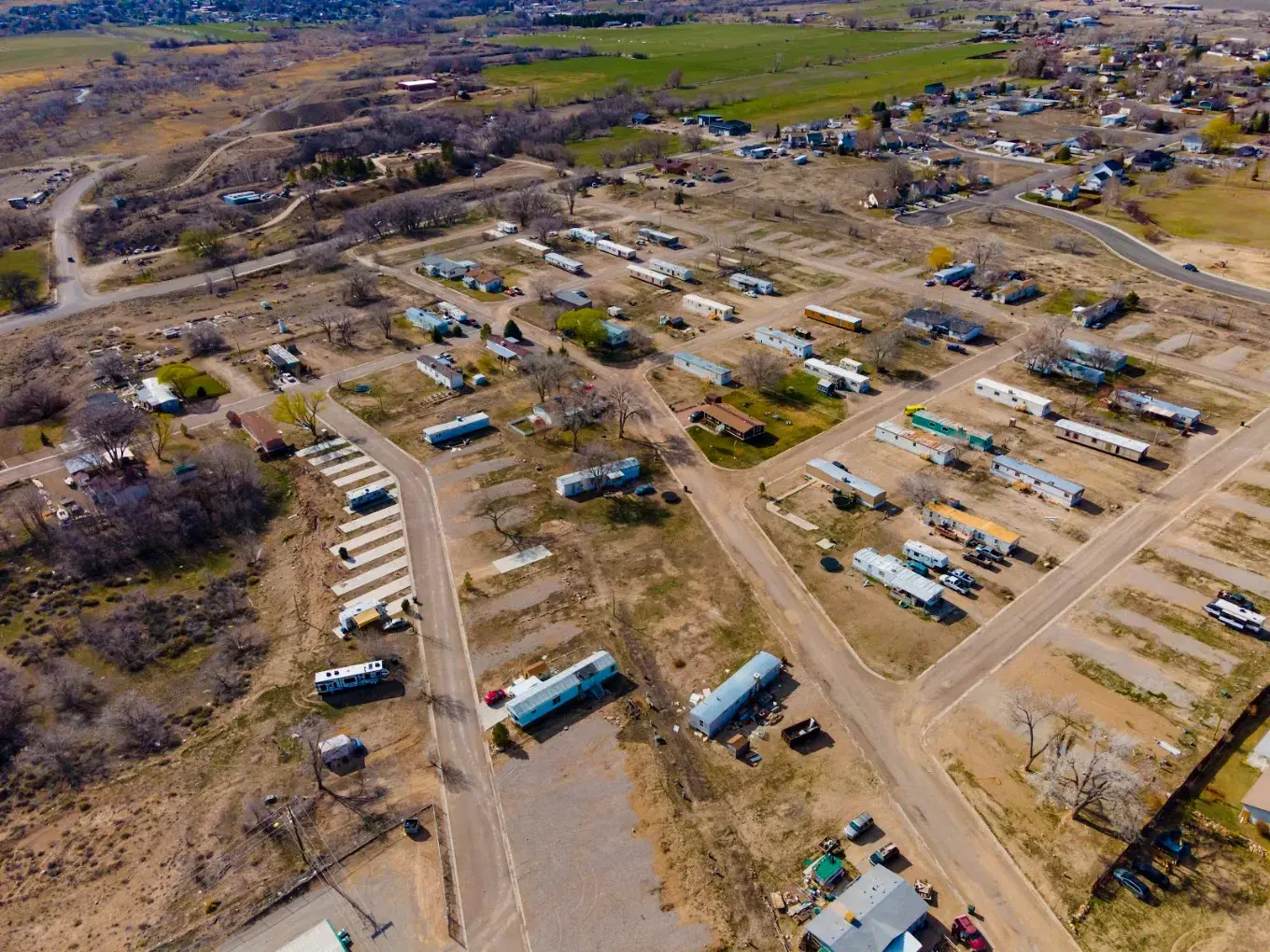
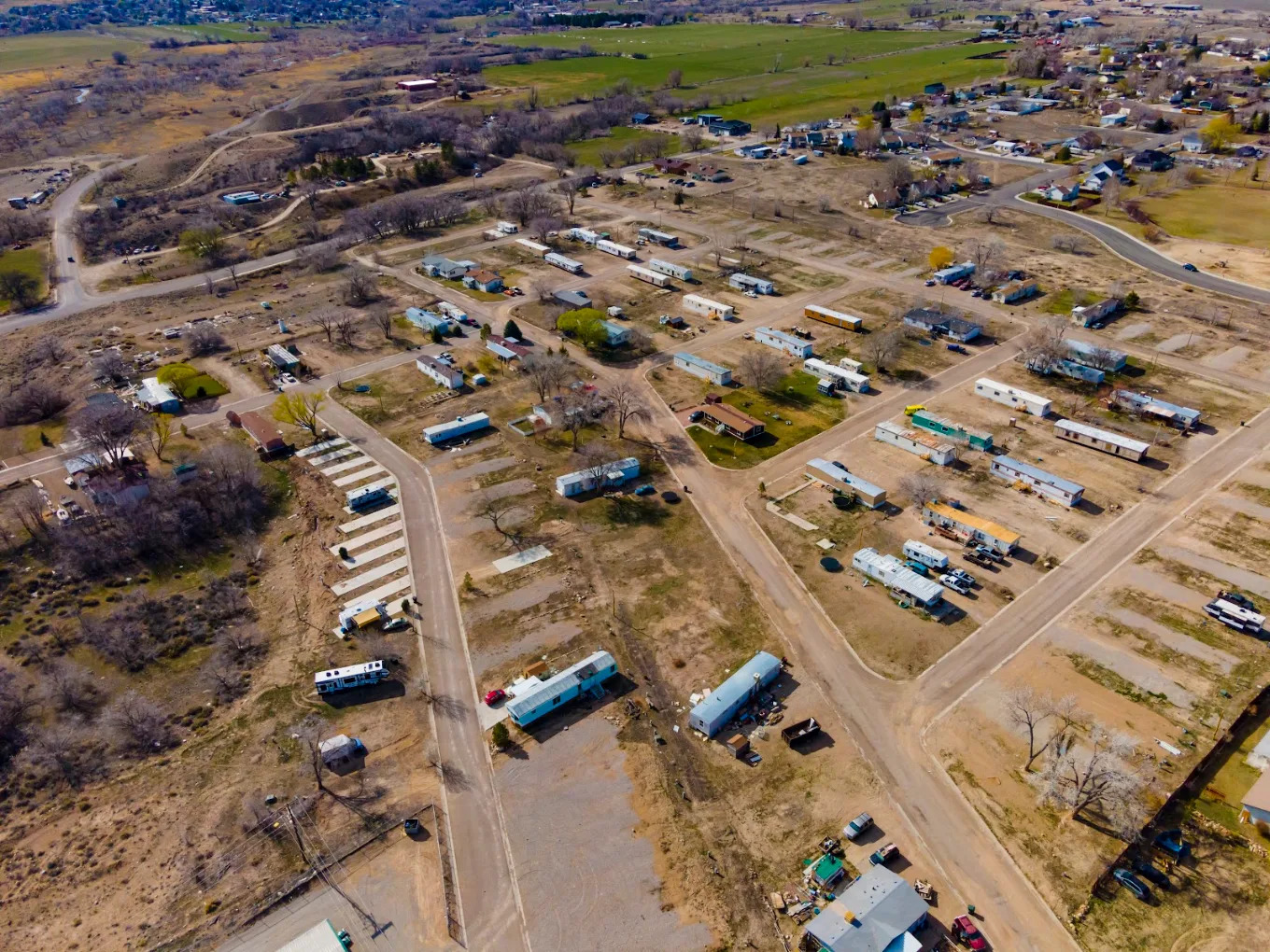
Esquire Estates is a mobile home and RV park at 425 120 W, Castle Dale, UT 84513. That makes it one example of a park that offers both types.
For RVs. The rates page lists RV sites starting at $50 a night, $300 a week, and $585 a month. The full hookup sites have 30/50 amp service, leveled pads, water, and sewer. The park sets a 15-year RV age limit and a limit of two pets per RV, and its FAQ says it welcomes both short- and long-term guests.
For homes. The park lists mobile home-ready lots starting at $355 a month. Its mobile home page says the lots feature full water, sewer, and electric hookups.
The rates page says rates are subject to change, electric is included, and taxes are not included. These are starting rates, not a quote, and the RV rate and the lot rent are not directly comparable without the cost of the unit, utilities, and one-time expenses. The park pages do not state lot size, requirements for the home, approval steps, or lease terms. Ask the office for written confirmation of your unit’s eligibility and the agreement that applies before you plan a move.
To check availability or ask a question, call 435-749-4920 or email [email protected]. You can also use the contact page.
Conclusion
The choice between an RV park and a mobile home park comes down to the unit you bring, how long you stay, and the agreement you sign. Do not choose by the name on the sign. Confirm what the park accepts, what the rate or lease covers, and what local rules allow.
Compare the options on recurring costs and one-time costs separately, and get the terms in writing before you move anything.
FAQ
What is the difference between an RV park and a mobile home park?
An RV park generally rents sites for RVs, and a mobile home park generally rents lots for homes. The legal definitions and permitted uses depend on the state and local area.
Can you live in an RV in a mobile home park?
Sometimes. It depends on the park’s rules and local law. In San Luis Obispo County, California, for example, an RV may be allowed if the owner uses it as a principal residence. That is one county’s rule, so check your own county and the park.
Is a mobile home park cheaper than an RV park?
It depends on what you compare. A lot rent and a site rate cover different things, and a home carries its own costs. Estimate recurring and one-time costs separately for each option, using real quotes.
What is a mobile home lot?
It is a space in a park where a resident places a home and pays rent for the land. At Esquire Estates, the rates page lists mobile home-ready lots starting at $355 a month.
How do you find RV and mobile home parks near you?
Search park websites and maps, then call each park. Ask what units it accepts, what the rate or lease covers, and for the terms in writing.
What should you ask before signing a lot lease?
Ask what the rent covers, who pays for utilities, whether your home needs approval, how rent or rules can change, and what happens if you leave. The checklist in Further Reading lists 12 more things to verify for RV stays.
Further Reading
What to Check Before Choosing a Long-Term RV Park walks through 12 checks to run before you commit to a park.