
Quick Answer
Picking a long-term RV park is a different decision than booking a weekend site, because you’re choosing a place to actually live for weeks or months. Before you commit, check these five things first:
- Hookups and whether the site actually fits your rig
- The real monthly cost once fees and utilities are added in
- The lease terms and what happens if you need to leave early
- Recent reviews and who currently manages the park
- Whether the internet is fast enough to work from, if that matters to you
Introduction
A weekend at an RV park is easy to walk away from if it’s not what you expected. A month or a season is a different story, and that’s exactly why a long-term stay deserves more homework than a one-night booking. The wrong choice doesn’t just ruin a weekend, it can mean weeks of dealing with a noisy neighborhood, a surprise fee on your bill, or rules you only find out about after you’ve already signed something.
Most advice online focuses on amenities: hookups, laundry, Wi-Fi. Those matter, but they’re only half the picture. The other half is everyday practicalities, like lease terms, mail delivery, and whether an RV your age will even be accepted. Skip that half and you can end up settled into a situation that’s harder to leave than it should be.
This guide covers both sides. Whether you’re a remote worker looking for a stable home base, a snowbird heading south for the season, or someone relocating for a few months of local work, the same checks apply, even if which ones matter most to you will shift depending on your situation.
None of this requires special knowledge. It just means asking the right questions before you sign anything, not after.
The 12 Things to Check Before You Choose a Long-Term RV Park
Hookups and Electrical Capacity
Full hookups mean water, sewer, and electric all at your site, which makes daily life much easier for a long stay. Confirm the amp service specifically. A 30-amp site provides roughly 3,600 watts, while a 50-amp site uses two separate power legs and offers substantially more capacity, enough to run an air conditioner and a full kitchen at once without tripping the breaker. If a site only offers 30-amp service and your RV is wired for 50, ask whether the park allows a dogbone adapter, but know that the adapter only changes the plug shape. It doesn’t add power, so you’ll still need to manage high-draw appliances to stay within 30 amps. If you plan to stay for weeks or months, decide which hookups you actually need before comparing parks.
Site Size and Rig Fit
A site that looks fine in a photo can turn out to be tight once you’re leveling a 38-foot fifth wheel with slide-outs on both sides. Confirm the site’s actual length and width, whether it’s level or needs blocks, and how much room you’ll have once your slides and awning are out. Back-in sites are usually tighter than pull-through ones, so ask which type you’d be assigned if maneuvering a large rig is a concern. This matters even more for a long stay, since you’ll be living with whatever space you get for weeks or months, not just parking overnight.
Total Monthly Cost
The rate a park advertises is rarely the full number. Confirm whether electricity is metered separately, whether there’s a water or sewer flat fee, and whether Wi-Fi, trash, or a security deposit gets added on top. A park that quotes a low monthly rate but bills electric separately can end up costing more than one with a higher all-in rate. Application fees and deposits may also apply. Ask which charges are refundable and which are not, and get the full monthly number in writing before you commit.
Lease Terms and Early Departure
Confirm how much notice you need to give before moving out, and what happens if your plans change. Some parks offer only month-to-month terms, while others require a longer commitment. Ask whether the rate can change during your stay, how much notice the park owes you if it changes the terms, and what an early departure actually costs. These rules vary a great deal by state and by park, so get the specific answer in writing rather than assuming a standard policy applies.
Who Runs the Park and How Responsive Are They?
Ask who manages the property day to day, how maintenance requests get handled, and who to contact if something goes wrong. Ownership can change hands, and consolidation among larger operators is common in this industry, but what actually matters to a long-term resident is knowing who has authority over rates, rules, and your agreement right now. If a park has recently changed ownership or management, ask directly whether any policies, rates, or lease terms are changing as a result.
Application and RV Age Requirements
Long-term parks often run more like a rental application than a campground reservation. Some use a process that can include identity verification, RV details, references, a background check, or proof of insurance. Others reject RVs over a certain age or require photos and approval before you arrive, especially if your rig has visible wear, patched siding, or tarps. Anyone driving in from out of state should confirm whether approval happens before they leave or only once they arrive, since finding out you’re rejected after a long drive is the worst version of this problem.
Recent Reviews and Maintenance
A park with a 4.5-star average can still have gone downhill in the last six months if new ownership or a new manager took over. Read the most recent reviews specifically, not just the overall score, and look for patterns rather than one-off complaints. Checking both general review sites and an RV-specific review platform is worth the extra few minutes, since RVers tend to flag things a general reviewer wouldn’t think to mention, like pull-through access or how level the sites actually are. Recurring mentions of noise, unresponsive management, or maintenance issues are worth more than a handful of old five-star reviews.
Internet Reliability
Don’t take a park’s word for “good Wi-Fi.” Ask for actual speed-test results from the site, not just confirmation that Wi-Fi exists. For context, the FCC’s current fixed broadband benchmark is 100 Mbps download and 20 Mbps upload, a useful reference point when a park describes its internet as high-speed, though actual needs vary by what you use it for. Speed also isn’t the whole story: a test taken at 10 a.m. may not reflect what the network feels like at 7 p.m. when every site is streaming or on a call. If remote work matters to you, ask whether bandwidth is shared across the park and try to check performance during a busy evening rather than relying on one daytime test.
Pets, Guests, and Park Rules
Most parks are pet-friendly, but breed and size restrictions vary, so confirm the specifics if you’re traveling with an animal. Ask about the guest policy too: whether overnight guests are allowed, if there’s a limit, and whether extra vehicles need approval. Beyond the written rules, think about what the neighborhood will actually feel like for weeks at a time, how close together sites are, how much noise carries, and whether quiet hours are enforced or just posted. A short site visit in the evening rather than midday tells you more about this than any listing photo will. It’s worth asking for a copy of the park’s written rules before you sign anything, since verbal assurances don’t hold up the same way.
Year-Round Operations and Weather
Some parks partially shut down in the off-season, winterizing water lines or closing amenities for months at a time. Anyone planning a stay that crosses seasons should ask directly whether the park operates year-round or scales back services in winter. This matters most in colder climates, where a park’s water and sewer systems may not run in freezing weather even if the park technically stays open. If your stay runs through freezing weather, ask whether skirting or other winterization steps are required, since freezing risk depends on your RV’s insulation and setup, and it’s worth knowing the park’s expectations for protecting exposed plumbing in advance.
Mail, Parking, and Everyday Services
Long-term living comes with everyday logistics a weekend trip doesn’t. Confirm whether the park accepts mail and packages, whether there’s a package room or you need to be present for deliveries, and whether the site address works for shipping. Check how many vehicles are allowed per site and whether extra parking for a tow vehicle or work truck costs more. It’s also worth asking about on-site laundry, propane, trash pickup, and how far it is to a grocery store or fuel, since these are the small conveniences that matter most once you’ve settled in for months rather than days.
Safety, Access, and Emergency Needs
Ask practical questions rather than vague ones about “safety.” Is the park lit well enough to walk around after dark? Are the roads easy to navigate at night if you need to leave in a hurry? Is there an on-site manager, and how are after-hours issues handled? It’s worth knowing how far the nearest hospital or urgent care is, and whether your site address is clear enough for emergency services to find quickly. None of this requires assuming the worst about a park, it’s the same due diligence you’d apply to any place you plan to live.
Quick-Reference Checklist
| What to Check | Ask This | Get in Writing |
| Hookups | 30-amp or 50-amp at my site? | Amp service and hookup type |
| Site size | Actual length and width? | Site dimensions |
| Monthly cost | What’s included vs. billed separately? | Full monthly total |
| Lease terms | Notice period and rate changes? | Lease agreement |
| Management | Who runs the park day to day? | Maintenance contact |
| Application | Background check or RV age limits? | Approval requirements |
| Reviews | Any recent recurring complaints? | Recent review dates |
| Internet | Real speeds at peak hours? | Recent speed test |
| Pets and guests | Breed limits and guest policy? | Written pet and guest rules |
| Year-round status | Winter services and skirting rules? | Winterization policy |
| Mail and parking | Package delivery and extra vehicles? | Vehicle and mail policy |
| Safety | Lighting, access, emergency contact? | On-site contact info |
Which of These Matter Most for Your Situation?
Not every check carries the same weight for every camper. Remote workers should weigh internet reliability and site quietness above almost everything else on this list. Snowbirds chasing a warm season care less about lease flexibility and year-round operation, but more about the real monthly cost and site fit, since they’re often bringing a larger rig for extended comfort.
Anyone relocating for a few months of local or contract work should focus on management stability and application requirements, since a change halfway through a stay creates a much bigger problem than it would for a weekend visitor. Full-time RVers without a fixed end date have the most riding on this overall, so reviews and management history deserve the closest look of all.
Red Flags Before You Commit
A few warning signs are worth trusting on their own, even before you work through every item above:
- The price is unclear or changes depending on who you ask
- Utility charges aren’t explained until after you’ve paid
- Rules exist only as verbal promises, not in writing
- You can’t see or confirm your actual assigned site before arriving
- RV approval only happens after you’ve already made the drive
- Recent reviews repeatedly mention the same unresolved maintenance issue
- Management can’t clearly explain who owns or runs the park
- Deposit and refund terms aren’t written down anywhere
How Does Esquire Estates Compare With This Checklist?
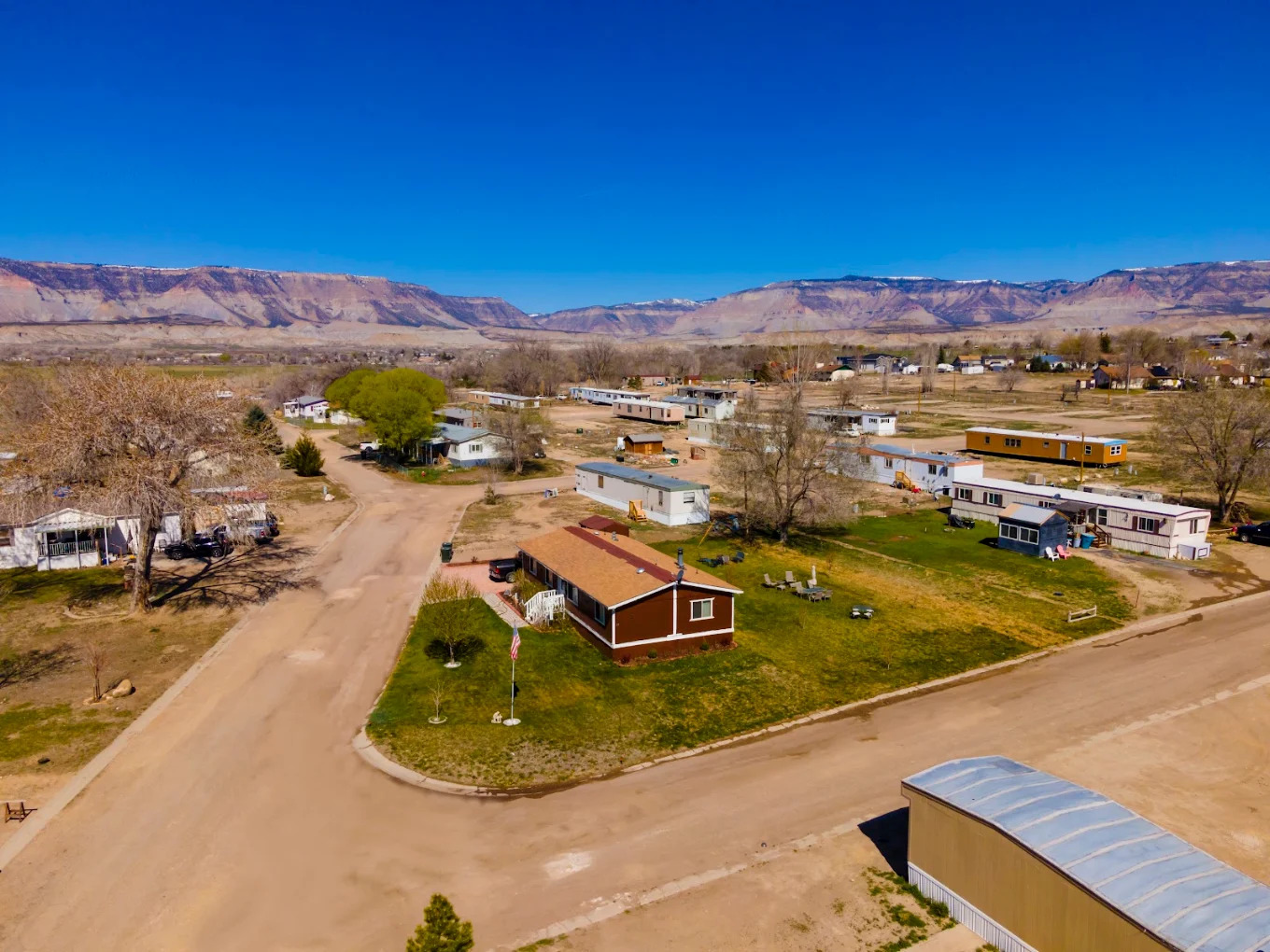
Since this whole checklist is really a set of questions to ask any park, it’s worth answering a few of them here. Esquire Estates in Castle Dale, Utah offers full hookup long-term RV sites with 30-amp and 50-amp service, water, sewer, and level pads, along with a community clubhouse, Wi-Fi, showers, and an on-site propane dispenser. Long-term full hookup RV sites start at $585 a month with electric included; rates and availability can change, so confirm current pricing directly. On the application side, Esquire’s RV age limit is 15 years, with exceptions possible if you contact the park ahead of time, and it allows up to two pets per RV. Many residents stay while working locally in the region’s power and mining industries, which is part of why year-round operation matters here rather than functioning as just a seasonal amenity. The park is locally run, so questions about site fit, availability, or your specific rig can go directly to the people who manage the property.
Conclusion
A long-term RV park is a place you’re going to live, not just park for a night, and it deserves the same due diligence you’d give an apartment lease. Before you commit to one, get the hookup details and site dimensions in writing, ask for the full monthly cost including utilities, confirm the lease terms and notice period, and find out who manages the park day to day. Read the recent reviews, confirm the application requirements for your rig, and if you work remotely, get real numbers on internet speed rather than a vague reassurance. A five-minute phone call covering these points will tell you more than any listing photo or star rating.
Frequently Asked Questions
What counts as a long-term RV stay?
There is no single industry-wide cutoff. Parks set their own minimum and maximum stay periods, so check the specific park’s terms. Monthly and seasonal stays are the most common long-term arrangements.
Do long-term RV parks require a background check?
Some do, as part of a broader application process. Requirements vary by park, so ask exactly what documents and screening are required before you apply.
Can you negotiate the monthly rate at a long-term RV park?
Some parks offer different rates for longer commitments or off-season stays, but policies vary widely. Ask whether the posted monthly rate is fixed or whether extended-stay pricing is available.
What happens if the park changes ownership while you’re there?
A change in ownership can affect management, rules, rates, or renewal terms. If you’re already staying at a park that changes ownership, review your existing agreement and ask the new operator directly whether any terms are changing.
Are pets normally allowed at long-term RV parks?
Most are pet-friendly, though breed and size restrictions vary by park. Confirm the specific policy rather than assuming your pet is covered under a general pet-friendly listing.
What long-term RV amenities does Esquire Estates offer?
Esquire Estates offers full hookup long-term RV sites with 30-amp and 50-amp service, a community clubhouse, Wi-Fi, showers, and an on-site propane dispenser, and the park operates year-round in Castle Dale, Utah.