
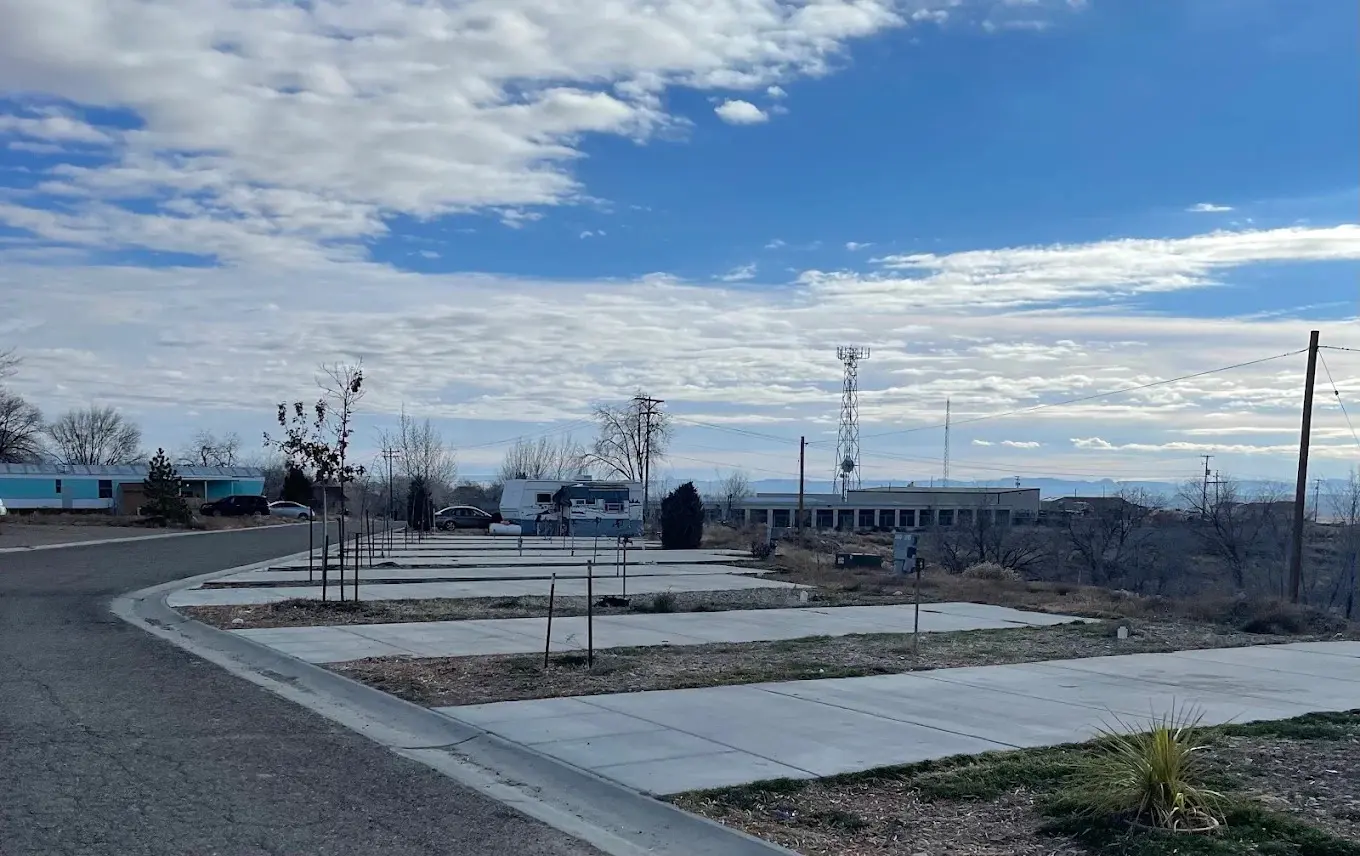
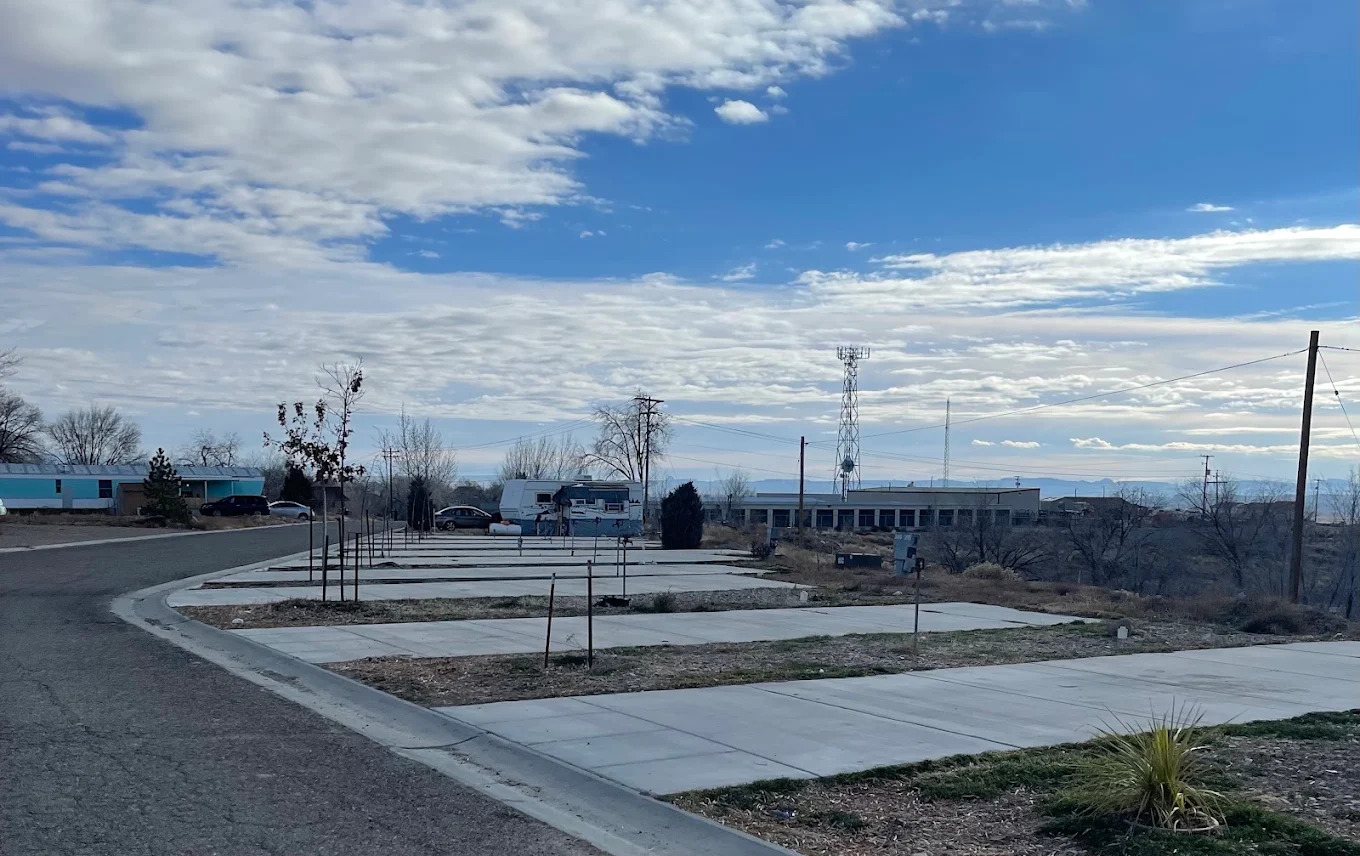
You can park an RV long term on land you own or rent, on some public land, or in a storage lot, though these are only the main options, and each has limits. The right place depends on what you need from the RV: a home, a base, or a spot to leave it. Check five things before you commit to any spot: power, water, wastewater, permission, and stay length.
Introduction
Many people want to park an RV for months, not days. Some want to live in it, some need a base near a job, and others want a safe place to leave it between trips.
Finding a suitable location takes more than comparing prices. A driveway may seem like the easy answer, then a city rule says no. A public campsite may seem free and open, then a stay limit sends you down the road. A storage lot may be cheap, but it may not let you sleep in the RV at all.
So the question is not only where you can put the RV. It is what you plan to do while it sits there. A spot that works for storage can fail the moment you want to live in the rig.
This guide walks through the main choices and what to check first.
What Does Long-Term RV Parking Mean?
Long-term RV parking means leaving an RV in one place for weeks or months instead of a few nights. This is a practical definition, not a legal one, because each park, city, and agency sets its own limits.
It helps to sort your plan into one of three uses. Decide this first, because it removes some options before you spend any money.
Parking to Live
You sleep, cook, and work in the RV as your home. This is the hardest use to place. You need power, water, a way to handle wastewater, and permission to live there, and not every place offers all four.
Parking to Visit
You stay for a season, a work project, or a long trip, then move on. You still need the basics, but you do not need a permanent address. Parks and some public lands can fit this use.
Parking to Store
The RV sits empty while you are away. You do not need hookups, but you do need a safe, legal place. Storage lots, driveways, and side yards all fall in this group.
What Does a Place Need Before You Can Live There?
A place needs five things before you can live in an RV there: power, water, wastewater, permission, and a stay length that fits your plan. Each need can be met in more than one way. What matters is that the setup is practical, permitted, and safe for your stay.
Use these five checks on every option in this guide.
- Power. Is a suitable source available? If you plan to use a generator or solar panels, are they permitted there?
- Water. Is there a reliable supply for the length of your stay, or must you haul it in?
- Wastewater. Is there a sewer connection, or a lawful and practical way to empty your holding tanks?
- Permission. Do the property owner, the operator, and the local rules allow your intended use?
- Stay length. Does the permitted period fit your plan?
Ask about each one when you look at a lot, a campsite, or a friend’s field. These answers can help you eliminate unsuitable locations early.
Before you pay a deposit or tow the RV anywhere, confirm in writing that overnight stays and living there are allowed for your dates, that your utility plan is permitted, and who pays for setup. A text or email beats a phone call you may remember differently later.
Can You Park Long Term at an RV Park?
Many RV parks accept extended stays and provide hookups, but their terms differ. Check the minimum stay, the maximum stay, whether you qualify for the monthly rate, and whether the park allows the kind of stay you have in mind. Local rules may also affect how long you can stay.
This guide looks past parks, so the short version is enough here. If a park fits your plan, you may not need the other options at all. If it does not, read on.
Can You Park on Land You Own or Rent?
Sometimes, but the answer depends on your city, county, and any neighborhood rules. Owning the land does not mean you can live in an RV on it.
One city’s ordinance shows how strict this can get. It says living or sleeping in a recreational vehicle on private property is prohibited, with exceptions for places such as a lawful trailer park or campground. The same ordinance limits where an RV may sit in a yard, and it allows visitor parking only with a permit. That is local law for one city, not a rule that applies across the country. Your city may be looser or stricter.
Here is what to check before you park on private land.
Zoning and Local Code
Call the city or county planning office. Ask three direct questions. Can I store an RV on this lot? Can I sleep in it? For how long? Ask for the answer in writing.
Neighborhood Rules
An HOA may ban RVs in view of the street, even when the city allows them. Read the covenants first.
Utilities
A bare lot may have no hookups. You may need to pay for a power connection, a water source, and a septic or sewer plan, and each one may need a permit. Those costs can add up, so get quotes before you decide the lot is cheap.
Renting Land From Someone Else
A privately owned field may look suitable, but the owner’s permission alone does not establish that RV occupancy, utility installation, or wastewater disposal is allowed. Check the local land-use rules and any permit requirements first. A written agreement with the owner protects both of you.
Private land can work well for storage and short visits. Living there year-round is harder.
How Long Can You Stay on Public Land?
Public land often has stay limits, so a short stay may fit if it falls within the local camping limit. For stays of several weeks or months, check the rules for the specific area before you rely on it as your base. The Bureau of Land Management (BLM) is a common choice for RV travelers, so it makes a useful example.
On BLM land, dispersed camping is generally limited to 14 days within any 28-day period, and the limit can vary by state and field office. After you reach it, you must move to a new location, often at least 25 to 30 miles away. Some developed BLM campgrounds also have stay limits, but the exact limit varies by campground. Other public-land agencies set their own rules, so check the managing agency’s current guidance before you go.
There is one program built for longer stays. The BLM manages Long-Term Visitor Areas in California and Arizona, where winter visitors may camp up to seven consecutive months with a permit. These designated areas are intended for extended seasonal camping. They are not a general solution for someone who needs to stay in Utah, and each area has its own permit, season, and occupancy rules.
Hosting a Campground
Another way to stay longer is to work as a camp host. A host lives at a campground and helps run it, often as a volunteer. The arrangement varies by site, and duties, hours, seasons, and accommodations depend on the posting.
One national park’s host page offers an example. It says hosts live in designated sites within the campgrounds and that sewer and propane hookups are provided, and it asked for around 32 hours of work a week. That page lists dates from past years, so treat it as an example of how a host program can work, not as a current opening. Not every post includes a full hookup, so read the latest one before you apply.
Public land asks more of you. You plan for water, waste, and moving, and you confirm the current limit with the local office before you go.
Is RV Storage the Same as RV Parking?
No. Storage means the RV sits unused in a secured space. Parking, in the sense this guide uses, means the RV is in use. A storage lot sells space, so do not assume it offers hookups or permission to stay overnight.
That difference matters most if you plan to live in the rig. A lot that welcomes your RV may not welcome you.
The rules for residential property may differ from those for a commercial storage facility. Ask the lot operator whether overnight occupancy is allowed, and check the local rules that apply to that specific property before you rely on it as a place to stay. Here are questions to ask before you sign.
- Can I enter the RV while it is stored?
- Can I sleep in it, even for a night?
- Is there power for a battery charger or a small heater?
- What are the access hours?
If the answer to sleeping is no, you have found a storage spot, not a place to live.
Driveways and Side Yards
Parking at home is a form of storage. Cities often set rules on where an RV may sit and for how long. The ordinance mentioned above limits RVs in front yards on newer lots and bans street parking apart from short windows before and after a trip. Check your own city’s code.
How Do the Options Compare?
Each option trades something away. The table separates three questions that are easy to blur together: whether the facility exists, who pays for it, and whether your use is permitted.
| Option | Power | Water and wastewater | Permission to live | Stay length |
| RV park | Hookups often available. Confirm what is included and how it is billed. | Often available. Confirm what is included. | Confirm the park’s terms and applicable local rules. | Set by the park |
| Land you own | You arrange it. Check what is permitted. | You arrange it. Check what is permitted. | Depends on zoning and occupancy rules. | No park billing term, but zoning and occupancy rules still apply. |
| Land you rent | Depends on the owner | Depends on the owner | Depends on local rules and the owner | Depends on your agreement |
| Public land | Often self-supplied where permitted. Check local restrictions. | Haul water in and use a dump station. | Generally for recreation. Rules and permitted uses depend on the agency and area. | Limited by agency rules |
| Camp host post | Check the posting | Check the posting | Only if the posting provides accommodation and permits the stay. | Set by the season |
| Storage lot | Ask the lot | Ask the lot | Do not assume occupancy is allowed. Confirm operator terms and local rules. | Set by your lease |
Read the table by row. Many “arrange it” cells mean more cost and work. Many “depends” cells mean more calls before you decide.
How Do You Choose?
Answer four questions, and the right option becomes easier to see.
- Do you need to live in the RV? If yes, rule out storage lots and most driveways. Look at parks, camp host posts that offer accommodation, or land with the proper permits.
- How long do you need to stay? A short stay may fit public land if it falls within the local limit. A season may fit a park or a host post. Many months or years call for a park, or land you have cleared with the city.
- How much work will you do? Hauling water and finding dump stations takes time every week. A park trades money for that time. Be honest about which one you have more of.
- What can you confirm in writing? Verbal answers fade. A written lease, a city email, or a posted park rule gives you something to point to later.
If you cannot answer one of these, that is your next phone call. Make it before you tow the RV anywhere, because moving a rig twice costs more than asking once.
Compare the Real Cost
Price alone misleads. Whatever the option, add up these costs before you decide.
- Site rent or land payments
- Utility connection costs and monthly bills
- Water, wastewater, and trips to a dump station
- Permits and insurance
- The cost of moving if the spot does not work out
Land can look cheaper than a park until the utility work, permits, and wastewater plan are on the list. Ask for quotes, not estimates, and write the totals side by side.
Also think about the months you have not planned for. A job may end or a repair may keep you in place. A spot that lets you extend your stay, or leave without a penalty, protects you better than one that only looks cheap on day one.
What Does Long-Term Parking Look Like at Esquire Estates?
Esquire Estates is an RV park at 425 120 W, Castle Dale, UT 84513. It offers one example of how a park lines up with the checklist.
The full hookup sites have 30/50 amp service, leveled pads, water, and sewer, which covers power, water, and wastewater. The FAQ says the park welcomes both short- and long-term guests. Contact the office to confirm availability, the applicable rate, and the terms for your intended stay. You can read more on the full-hookup RV sites page.
The rates page lists RV sites starting at $50 a night, $300 a week, and $585 a month, with electric included and taxes not included. These are starting rates, so ask the office what applies to your dates. Rates are subject to change.
A few policies are worth knowing before you call. The park sets a 15-year RV age limit and a limit of two pets per RV. If your rig is older, ask about an exception first.
Call 435 749 4920 or email [email protected].
Conclusion
Long term RV parking comes down to fit. A place that suits storage may fail for living, and a place that suits a short visit may not allow a long stay.
Private land gives control but brings local code. Public land limits your time. Storage protects the RV but may not allow you inside it. A park supplies hookups and asks for a monthly rate in return, within its own terms.
Start with your use, then run each spot through the checklist. Get the answers in writing before you move in. A few calls now can save you a forced move later.
FAQ
What counts as long-term RV parking?
There is no single definition. It generally means leaving an RV in one place for weeks or months instead of a few nights. Each park, city, and agency sets its own limits, so check the rule where you plan to park.
Can you park an RV on your own land long term?
Sometimes. It depends on your city, county, and any HOA. One city’s ordinance, for example, prohibits living or sleeping in an RV on private property outside a lawful trailer park or campground, but that is local law and other places differ. Call your planning office before you buy or park.
How long can you stay on public land?
It depends on the agency and the area. On BLM land, dispersed camping is generally limited to 14 days within any 28-day period, though limits vary by state and field office. That is BLM guidance, not a rule for every public campground or agency. Some long-term visitor areas in California and Arizona allow longer stays with a permit.
Is RV storage the same as RV parking?
No. Storage keeps an unused RV in a secured space. Parking for living needs hookups or a lawful alternative, plus permission to stay. Ask any storage lot whether you may enter or sleep in the RV.
Can you live in an RV at a storage lot?
Do not assume you can. Storage lots sell space, not services, and the rules differ from property to property. Ask the lot operator about overnight stays and check the local rules for that property.
What should you check before you commit?
Check power, water, wastewater, permission, and stay length, and get the rules, rates, and notice terms in writing. Our long-term RV park checklist lists 12 more things to verify.
Further Reading
What to Check Before Choosing a Long-Term RV Park walks through 12 checks to run before you commit to a park.