
No single monthly number fits everyone. Long-term RV living costs depend on where you park, how often you move, and what you own. You can estimate your monthly cash budget by tracking five main cost categories: your spot, the RV itself, fuel and moving, daily living, and a repair cushion. Keep one-time startup costs separate.
Introduction
Two full-time RVers can have very different monthly bills, even when both spend most of their time in the same state. Search for the cost and you will see the same thing in print. One page says the cost is low, another says it is close to renting a house, and a third gives a range that is hard to use.
The reason is simple. Many of those numbers come from one person’s own spending. A retired couple who stays put in one park spends money in a different way than a family that moves every week. Their totals are real, but they do not transfer to you.
So this guide takes a different path. It does not hand you a total you cannot check. It shows what each cost buys, who sets the price, and which questions to ask, so you can build an estimate from real quotes.
Where no good source exists, the guide says so and leaves the number out.
Why Does Nobody Agree on What It Costs?
Published budgets disagree because each one describes a different life. Different budgets often reflect different travel patterns, ownership costs, and assumptions about what counts as an expense.
Think about two budgets. In the first, an owner has paid off the RV and lives in one park all year. In the second, the owner makes monthly payments and drives across several states. Both people live in an RV, but their costs can differ substantially.
Three things cause much of the gap.
- Where you stay. A park rate, a public campsite, and a friend’s driveway cost very different amounts.
- How you travel. Fuel and wear grow with every move, so slow travel and fast travel give very different bills.
- What you already own. An RV with no loan and a tow vehicle you already have remove two large costs from the month.
When you read any budget, ask who wrote it and how they live.
What Are the Five Costs of Long-Term RV Living?
Long-term RV living comes down to five main cost categories. Each one is easier to price on its own than the whole life at once.
- Your spot. Site rent, utilities, and any fees.
- The RV. Payments, insurance, registration, and the cost of any separate tow vehicle.
- Fuel and moving. What it costs to travel and set up again.
- Daily living. Internet, phone, food, laundry, mail, and healthcare.
- The cushion. Repairs and irregular expenses.
The next sections take them one at a time. Some costs fit more than one category, so record each expense only once. Separate regular monthly bills from annual expenses and irregular repairs.
What Does Your Spot Cost, and What Does It Include?
For many people, the spot is a large regular cost, and the rate alone does not tell you what you are buying. Two sites at the same price can include very different things.
Park Rates
Many RV parks list nightly, weekly, and monthly rates, and a longer rate can cost less per night. Ask what each rate includes. Some parks include electric. Others bill it by use, which makes the monthly cost rise and fall with the weather. Taxes and fees may sit outside the quoted rate.
Ask these before you compare two parks.
- Is electric included, or metered?
- Are water and sewer included?
- Are taxes and fees added to the quoted rate?
- Does the monthly rate apply to your dates, and is there a minimum stay?
- Is there a deposit, and what are the cancellation terms?
Public Land
Public land can cost less, but it asks you to cover what a park would otherwise supply. You haul water, find a dump station, and plan power. The stay limits also matter. On BLM land, dispersed camping is generally limited to 14 days within any 28-day period, and the limit varies by state and field office. If your budget depends on free or low-cost public-land camping, allow for the possibility of moving when you reach the local stay limit. The distance, timing, and cost depend on the rules of the area you use.
If you visit fee-charging federal recreation sites often, a pass may reduce your entrance and day-use costs. The America the Beautiful resident annual pass costs $80 and covers entrance and standard day-use fees at sites run by several federal agencies. It does not replace campground fees or other charges outside its coverage, so check the rules for the site you plan to visit.
Camp Host Posts
A camp host post can lower the cost of the spot, because the work trades for a site. It is not free. You give up hours, and the terms vary by post. One national park’s host page says hosts live in designated sites within the campgrounds and that sewer and propane hookups are provided. That page is an example, and its dates are old, so read the current posting for the real terms.
What Does the RV Itself Cost to Own?
Owning an RV adds expenses beyond the site fee, including insurance, maintenance, and possibly loan payments. Five are worth listing, even when you cannot price them yet.
A payment, or no payment. If you finance the RV, count the full loan payment as a cash expense. If you own it outright, that line disappears. This one fact can change a budget a great deal.
Insurance. Coverage for a rig you live in is not the same as coverage for one you take on weekend trips. Ask your insurer which type applies to you, because full-time use may change what is covered.
Registration and fees. These depend on your state and your RV. Look them up for the state where you register.
A tow vehicle. If you pull a trailer, the tow vehicle has its own insurance, registration, upkeep, and possibly a loan. A motorhome owner may also tow a car. Count each vehicle you own.
Loss of value. An RV can lose value over time, even when you do not receive a monthly bill for that loss. Keep it out of your cash budget. If you want to compare the full cost of owning an RV with the cost of housing, account for it separately, and avoid counting the same cost twice, such as the loan payment and the loss of value together.
This guide does not give dollar figures for these costs. No official source gives a number that fits every rig, and a made-up range would only make your budget look more certain than it is.
What Do Fuel and Moving Cost?
Fuel is a flexible cost, because you control it with every move. Staying in one park for months uses little. A route with a new stop each week uses much more.
Fuel prices change from week to week. The U.S. average price for regular gasoline was $4.354 a gallon in the week of October 5, 2026, and the U.S. average for diesel was $6.199 a gallon. The same federal page updates weekly, so use the latest figure or your local fuel price when you build a budget.
You can estimate your own monthly fuel cost with a simple formula. Divide your planned monthly miles by the actual miles per gallon of your motorhome, or of your tow vehicle while towing. Then multiply by the fuel price you expect to pay. Fuel economy can change with load, terrain, speed, and towing conditions, so use your own driving records where you can.
Moving costs more than fuel. Each move can add a dump station fee, a deposit, a night of lodging in between, and the wear on tires and brakes. If you plan to stay put for a season, these costs drop out of the month.
What Does Daily Living Add?
Daily living covers the same things it does in a house, and a few extra ones. Price each one with a real quote.
- Internet and phone. If you work from the RV, a weak connection is a cost too. A park’s Wi-Fi may not be fast enough for video calls, so many people add a phone hotspot. Test the connection before you rely on it.
- Food. Cooking in a small kitchen can save money, but a park far from a store adds fuel.
- Laundry. Check whether the park has laundry or whether you drive to one.
- Mail. If you move often, plan how to receive mail and keep important documents current. Mail forwarding does not by itself decide your legal residence, so check your state’s rules for registration, taxes, and insurance.
- Propane. Cooking, heating, and hot water may use it, and the amount can change with the season.
- Health insurance. This is a different policy from RV or vehicle insurance. If you move between states, check that your plan covers doctors where you stay.
Each cost may look small alone. Added together over a year, they matter.
What Costs Catch New RVers Off Guard?
Irregular costs, such as repairs and deposits, can disrupt a budget if you do not plan for them.
Repairs
An RV is a home that moves, so things shake loose. Tires, brakes, slide-outs, plumbing, and appliances all wear. Build a reserve from the age and condition of your equipment, its repair history, and what you expect to replace, such as tires, batteries, and appliances. Set money aside each month, even when nothing breaks.
Rates That Change
Some parks say outright that their rates are subject to change. Ask when the park may change a rate, how much notice you get, and whether the rate you were quoted is locked for your stay. Keep a copy of what you agreed to.
Quoted Rate Versus Real Total
Two parks can quote the same monthly rate and charge you different totals. Add taxes, metered electric, and fees to each quote. Then compare the totals, not the headlines.
Moving When It Does Not Work Out
If a spot turns out wrong, you pay to leave it. Check the refund and notice terms before you prepay, because the rules differ from park to park.
How Do You Build Your Own Monthly Budget?
You build it by filling in a worksheet with real quotes. Get rates from two or three parks in writing. Enter a monthly bill, or the monthly share of an annual cost.
| Cost | What to enter | Your figure |
| Spot rent | The monthly rate, and what it includes | |
| Electric | Included, or metered | |
| Water and sewer | Included, or extra | |
| Taxes and fees | What is added to the quoted rate | |
| RV payment | The full monthly loan payment, if any | |
| RV insurance | The cost of full-time coverage | |
| Tow vehicle | Payment, insurance, registration, and upkeep | |
| Registration | The yearly charge, divided by twelve | |
| Fuel | Planned miles, divided by actual miles per gallon, times price | |
| Propane | Your average monthly use, by season | |
| Moving | Dump fees, deposits, and travel nights | |
| Internet and phone | The plan you need to work from here | |
| Food and laundry | What you spend now | |
| Health insurance | Your plan’s monthly cost | |
| Repair reserve | The monthly set-aside you chose |
Before you total the column, check five things.
- Convert annual expenses into monthly set-asides.
- Record each expense once.
- Leave out loss of value, because it is not a cash bill.
- Keep one-time startup costs, such as the RV purchase, an inspection, or equipment, out of the monthly total.
- Run two versions: a season in one park, and a route with moves.
The result is your estimated monthly cash requirement, provided you have included every cost that applies to you and counted none twice. The difference between the two versions shows what moving costs. If a total is higher than you expected, look at the biggest row first.
Does It Cost Less Than a House?
Sometimes, and sometimes not. No honest general answer exists, because it depends on what you compare.
Two budgets matter. One is your current housing cost: rent or a mortgage, utilities, insurance, transportation, and upkeep. The other is the RV worksheet above. Compare the same period, using your own quotes.
Do not leave out the costs that only the RV carries. An RV payment, repairs, fuel for moves, and financing and loss of value have no match in an apartment, and a full comparison counts those last two once. On the other side, a house has taxes, upkeep, and furniture that an RV does not. Count both lists.
If the totals are close, space, privacy, and how often you want to move matter too.
What Does Long-Term RV Living Cost at Esquire Estates?
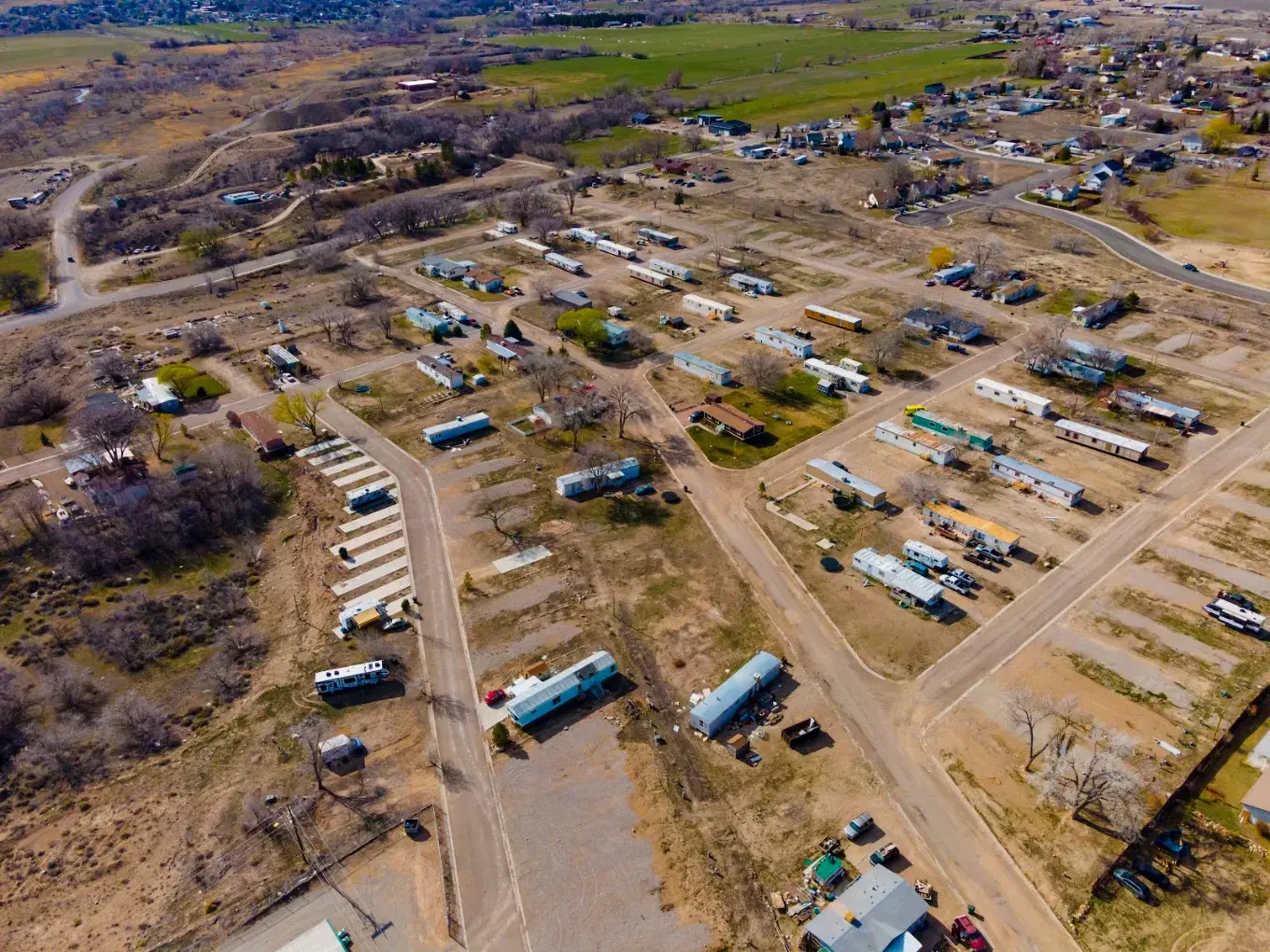
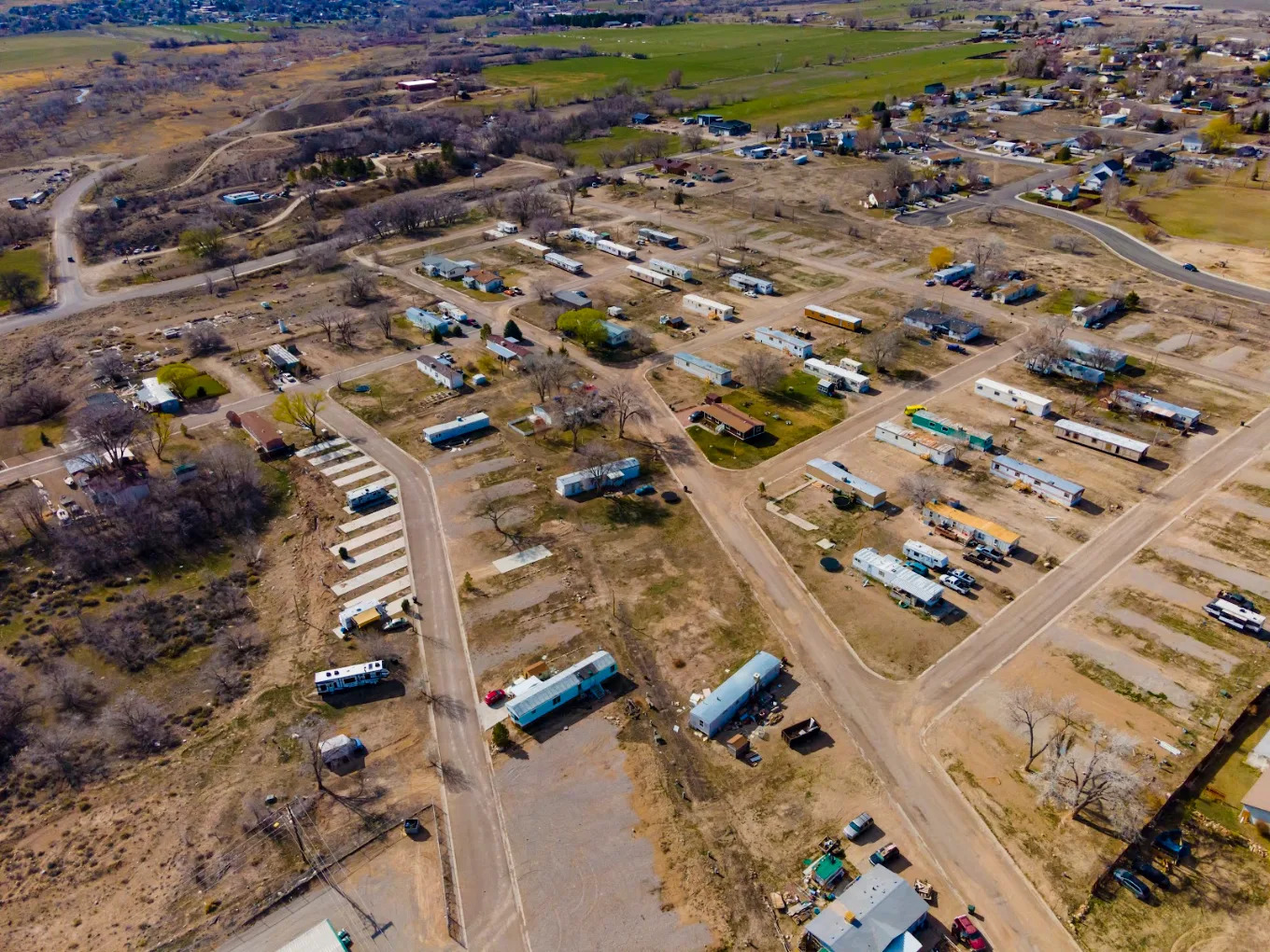
Esquire Estates is an RV park at 425 120 W, Castle Dale, UT 84513. Here is how its rates fit the worksheet above.
The full hookup sites have 30/50 amp service, leveled pads, water, and sewer. The rates page lists RV sites starting at $50 a night, $300 a week, and $585 a month. It says electric is included and taxes are not included, and that rates are subject to change. These are starting rates, so ask the office which rate applies to your dates.
Here is the math for a longer stay. At the starting monthly rate, three monthly periods come to $1,755 before tax, if the monthly rate applies to your dates. Three calendar months are not always 90 nights, so this is an illustration, not a quote. It covers only the spot row of your worksheet, and your other rows are still yours to fill in.
The FAQ says the park welcomes both short- and long-term guests, and it lists a propane dispenser, a community clubhouse, and Wi-Fi. A few policies are worth knowing before you call. The park sets a 15-year RV age limit and a limit of two pets per RV. If your rig is older, ask about an exception first. You can read more on the full-hookup RV sites page.
Call 435 749 4920 or email [email protected] to confirm availability and terms.
Conclusion
Long term RV living does not have one price. It has several parts, and each depends on choices you make. The spot and the RV payment may set the shape of the budget, while fuel, daily living, and repairs fill in the rest.
Build your own estimate. Get quotes in writing, add taxes and fees, and run the worksheet for the life you plan to live, not the life in someone else’s article.
Then stress-test it against a plausible repair bill and a higher site rate before you rely on it. If it does not hold up, change the spot or the route before you start, not after.
FAQ
How much does it cost to live in an RV long term?
It depends on where you park, how often you move, and whether you own the RV outright. Use the worksheet above with real quotes, not general ranges.
Is long-term RV living cheaper than renting?
It can be, but not always. Compare the same period, and include costs only an RV has, such as repairs, fuel, financing, and loss of value.
What is the biggest cost of living in an RV?
For many people it is the spot, or the RV payment if they finance. Your own worksheet will show which row is largest for you.
What costs do people forget?
Repairs, taxes and fees outside a quoted rate, propane, moving costs, and rate changes. Ask how a park handles rate changes.
Does an RV park rate include electricity?
It depends on the park. At Esquire Estates, the rates page says electric is included and taxes are not included. Other parks may meter electric, so ask before you compare.
How do you set a budget for RV living?
Fill in the worksheet with quotes in writing, and stress-test it against a repair bill and a higher rate. Our long-term RV park checklist lists 12 more things to verify before you commit.
Further Reading
What to Check Before Choosing a Long-Term RV Park walks through 12 checks to run before you commit to a park.