The Huntington Canyon Scenic Byway is one of Utah’s lesser-known drives, but it earns its place among the state’s most rewarding routes.
Running along State Route 31 through Emery County, the byway connects the high desert of the San Rafael region with the cool forests of the Manti-La Sal National Forest. The elevation change alone makes the drive feel like traveling between two different worlds.
If you enjoy road trips that offer genuine variety in scenery, this one delivers.
What Makes This Drive Worth Taking
Most scenic byways offer one type of landscape for most of the route. The Huntington Canyon Scenic Byway is different.
You start in open desert country and gradually climb into a canyon where the walls rise around you. By the time you reach the upper section of the route, you are surrounded by aspens, pines, and meadows.
The contrast between the lower and upper sections is part of what makes the drive memorable.
The Route Overview
The byway runs roughly from Huntington, in the Castle Valley area of central Utah, up through Huntington Canyon and over the Wasatch Plateau.
The total drive covers around 50 miles one way, depending on where you start and end.
State Route 31 is the main road through the byway.
It is paved for most of the route, which makes it accessible for standard vehicles as well as RVs and trailers within reasonable size limits.
Plan for at least half a day if you want time to stop, explore, and take photographs along the way. A full day gives you more flexibility.
Starting in the Desert
The lower section of the drive begins in the valley near Huntington.
Here the landscape is typical of central Utah’s high desert. The terrain is wide and open, with distant mesas and the kind of sky that seems larger than usual.
This part of the drive sets the tone before the canyon begins to close in around you.
Castle Valley and Surrounding Area
Before heading up the byway, it is worth spending a little time in the surrounding Castle Valley area.
The red rock formations and broad desert views here are worth photographing on their own. This part of Utah has a rugged, almost cinematic quality.
The town of Huntington itself is small and practical. You can fill your tank, pick up supplies, and use restroom facilities before heading into the canyon.
Entering Huntington Canyon
Once the road begins climbing, the scenery changes quickly.
The canyon walls rise on either side of the highway, and the Huntington Creek runs alongside the road for much of the lower section. The combination of running water, canyon walls, and desert vegetation creates a different atmosphere from the open valley below.
This section is one of the more dramatic parts of the drive.
Stops Along the Lower Canyon
There are pullouts and small recreation sites along the lower canyon where you can stop and spend time near the creek.
Fishing is one of the more popular activities here. Huntington Creek supports trout fishing, and anglers often use the creek-side access points along the byway.
Even if you do not fish, stopping near the creek for a break can be a pleasant part of the drive.
Climbing Through the Forest
As the byway gains elevation, the vegetation shifts noticeably.
Desert shrubs give way to scrub oak, and then to taller trees as you climb higher. By the time you reach the upper sections of the canyon, you are in genuine mountain forest.
The Manti-La Sal National Forest covers much of the upper portion of the route. This section feels entirely different from where the drive began.
Aspen Groves
The aspen groves along the upper byway are a particular highlight.
In autumn, the aspens turn golden and the drive becomes one of the better fall color routes in the region. Timing a visit for mid to late September through October can reward you with some striking scenery.
Even outside of fall, the groves are a pleasant contrast to the lower desert sections of the route.
Meadows and Open Forest
The upper byway also passes through open meadows and forested flats.
These areas feel cooler and quieter than the canyon below. The elevation brings a noticeable temperature drop, which is welcome during warmer months.
Wildlife is also more commonly spotted in these upper sections. Deer are frequently seen near the forest edges, particularly early in the morning and toward evening.
Recreation Along the Byway
The Huntington Canyon Scenic Byway is not only a drive-through route. There are recreation opportunities at multiple points along the way.
Fishing
As mentioned, Huntington Creek offers fishing access in the lower canyon.
Further up, Electric Lake sits near the upper portion of the byway and provides another fishing destination. Check current regulations and licensing requirements before you fish in any area.
Hiking
Several trails connect to the byway at various points.
Trail difficulty and length vary considerably. Some routes are short walks near water or through forested areas, while others climb into the higher terrain above the plateau.
If you plan to hike, bring adequate water and check trail conditions in advance. Weather in the higher elevations can change quickly.
Picnicking
Designated picnic areas and recreation sites appear at intervals along the route.
These are useful places to stop for a meal break, stretch your legs, and take in the surroundings without needing to set up a full camp.
Wildlife Viewing
The byway passes through habitat that supports a range of wildlife.
In addition to deer, the area is home to various bird species and other desert and mountain animals. Carrying binoculars can make wildlife observation more rewarding.
Early morning and late afternoon are generally the best times for spotting wildlife.
What to Expect at the Top
The byway crests the Wasatch Plateau near the top of the route before descending toward the Sanpete Valley side.
The views from the upper sections are broad and open. On a clear day you can see a considerable distance across the plateau and surrounding terrain.
If you plan to continue over the top and down the other side toward Fairview or Manti, allow extra time and check road conditions in advance, particularly if you are traveling with a larger vehicle.
The descent on the Sanpete Valley side offers its own scenery and is worth experiencing if your schedule allows.
Best Time to Drive the Huntington Canyon Scenic Byway
Timing your visit can make a meaningful difference to the experience.
Summer
Summer is a popular time for the byway because the upper elevations stay cooler than the valley below.
The forest sections provide shade and a pleasant escape from the heat of lower-elevation Utah. This is also when most recreation facilities along the route are fully open.
Expect more traffic on weekends, particularly from locals escaping the summer heat.
Fall
Fall is arguably the most scenic season for this drive.
The aspen groves light up with color, and the contrast between the golden upper forest and the red rock lower canyon creates an impressive visual range. This is a worthwhile time to plan a visit if fall color drives appeal to you.
Spring and Winter
Spring can bring muddy conditions on unpaved side roads and lingering snow at higher elevations.
Winter closes parts of the upper byway, so check road conditions and access before visiting outside the main travel season.
Practical Tips for the Drive
A few straightforward habits will make the drive smoother.
Fill your tank before you head up. Services along the byway are limited. Huntington at the lower end of the route is your most practical stop for fuel and supplies.
Bring water. Even on a cool day, staying hydrated is important, especially if you plan to hike or spend time outside at higher elevations.
Check the weather. Afternoon thunderstorms are common in summer in Utah’s mountains. Conditions at the top can differ significantly from what you see in the valley.
Drive at a comfortable pace. There is no reason to rush this route. The scenery rewards slower driving and frequent stops.
Watch for wildlife on the road. Deer in particular can move onto the road unexpectedly, especially at dawn and dusk.
A Practical Note for RVers
The paved main route of the byway is generally manageable for RVs of moderate size.
Larger rigs should verify current road conditions and any width or length restrictions before attempting the route. Some pullouts and side areas are not suitable for bigger vehicles.
If you are towing or driving a larger RV, taking the route slowly and sticking to the main road is a sensible approach.
Conclusion
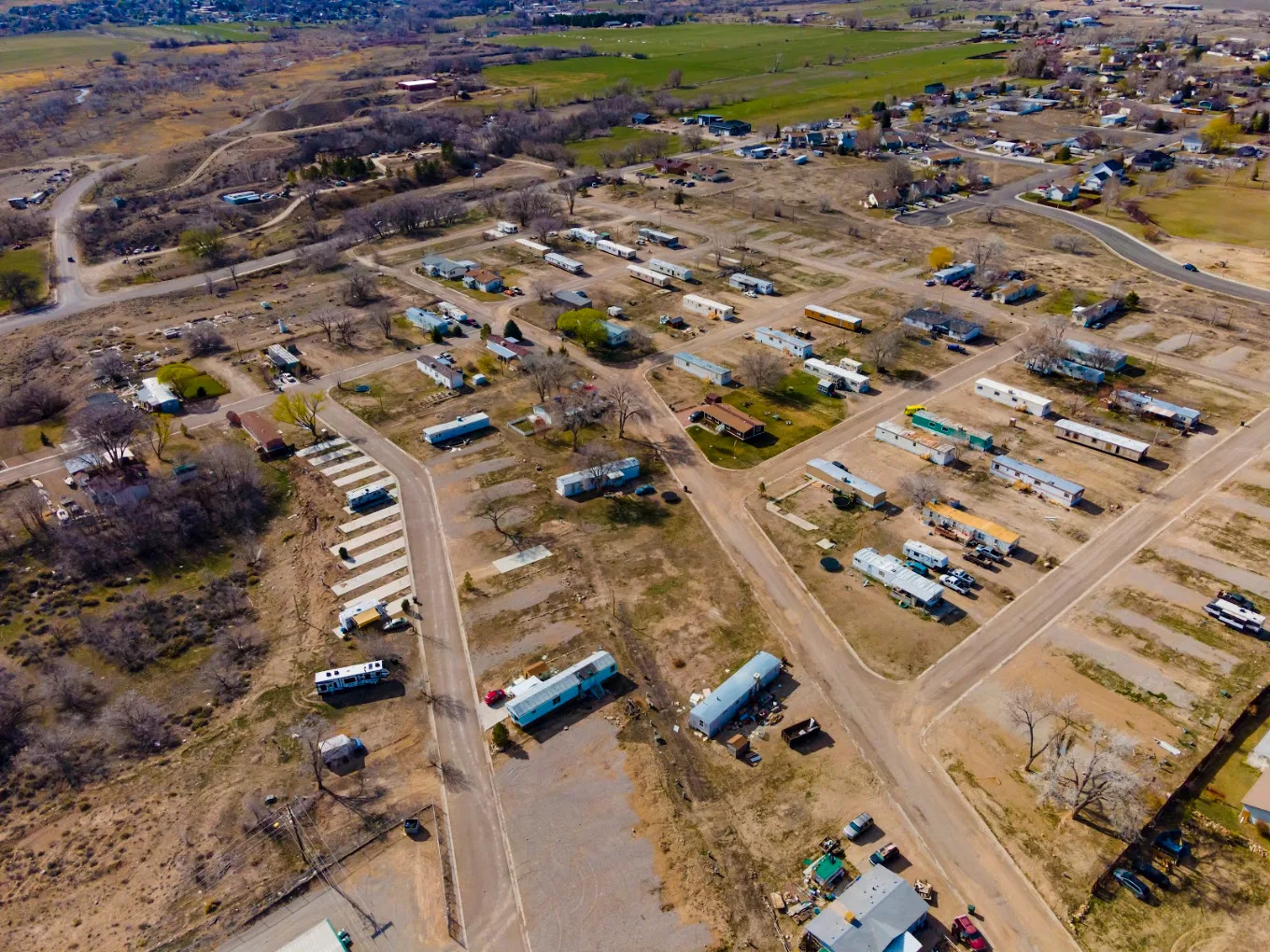
The Huntington Canyon Scenic Byway offers something that is harder to find than it sounds: genuine variety in a single drive. And Esquire Estates RV Park works phenomenal in this regard.
Within roughly 50 miles, the route takes you from open desert and red rock canyon country up into cool mountain forest and high plateau views. Each section has its own character, and the transitions between them are gradual enough to appreciate.
Whether you are visiting for the fishing, the fall color, the hiking, or simply the drive itself, the Huntington Canyon Scenic Byway rewards travelers who take it at a relaxed pace and allow time for the scenery to unfold around them.